
Can loud noise permanently damage my hearing?
Loud noise can permanently damage hearing: it can destroy the hair cells of the inner ear, and they do not grow back. Noise-induced hearing loss is also preventable — lower the volume, limit time in noise and wear hearing protection. Emirates Audiology Centre in Abu Dhabi and Al Ain tests hearing and makes custom noise-protection moulds.
Published Next review
What does loud noise do to the ear?
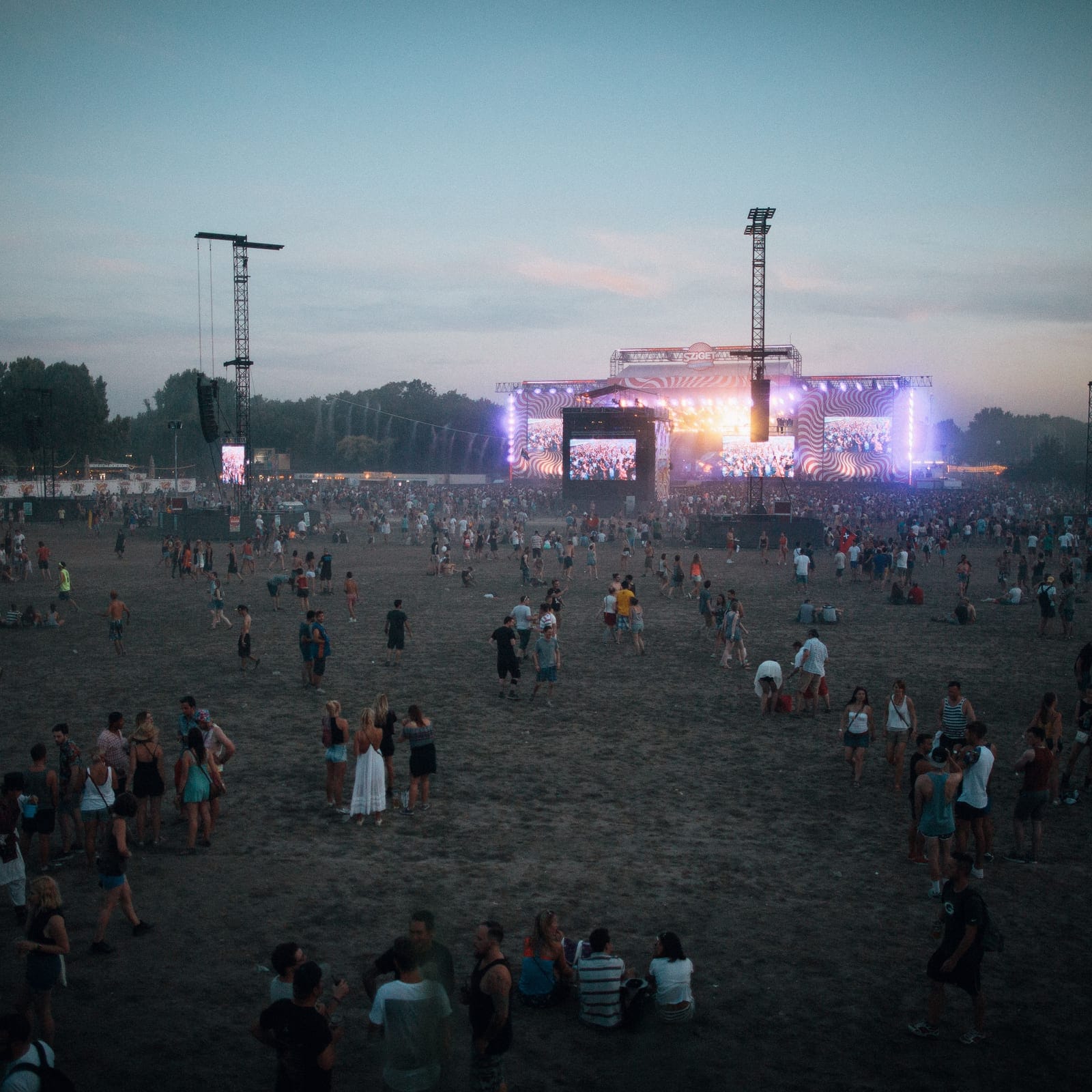
Hearing depends on tiny sensory hair cells in the inner ear, which turn sound vibrations into electrical signals for the brain. Sound can harm them when it is very loud, even briefly, or when it is both loud and long-lasting. At first the cells may only tire: after a loud concert, hearing can feel muffled or the ears can ring, and this often improves as the cells recover. With regular exposure, they can be permanently damaged — and human hair cells do not grow back. Most noise damage builds up gradually and goes unnoticed until it is obvious, but a single burst of extreme sound, such as a gunshot or an explosion, can cause immediate, permanent loss.
How loud is too loud, and for how long?
Sound is measured in decibels (dB); noise limits use A-weighted decibels (dBA). The risk depends on level and time together — the louder the sound, the less time it takes to cause damage.
- At or below 70 dBA, sound is unlikely to cause hearing loss, even after long exposure. Normal conversation is 60–70 dBA.
- Long or repeated exposure at or above 85 dBA can cause hearing loss.
- At work, the US National Institute for Occupational Safety and Health (NIOSH) recommends a limit of 85 dBA averaged over an eight-hour shift, and halving the time for every 3 dBA increase.
- The World Health Organization (WHO) sets its safe-listening guide per week: 80 dB is safe for up to 40 hours, but at 90 dB the safe time falls to four hours.
- Concerts, sporting events and music through headphones at maximum volume reach 94–110 dBA; sirens, 110–129 dBA; a fireworks show, 140–160 dBA.
No meter to hand? If you must raise your voice to be heard by someone an arm’s length away, the noise is likely to be hazardous.
Who is at risk?
Anyone, at any age — children, teenagers, adults and older people. Risk comes from noisy work and from leisure: concerts, sporting events, motorcycles, lawnmowers and woodworking tools, target shooting and hunting, playing in a band, and music through earbuds or headphones at high volume. WHO estimates that over 1 billion young adults are at risk of permanent, avoidable hearing loss due to unsafe listening practices. Noise damage also adds to the hearing changes that come with age: the US National Institute on Deafness and Other Communication Disorders (NIDCD) notes that, together, they can lead to hearing loss severe enough to need hearing aids.
What are the warning signs?
Because noise damage is usually gradual, the early signs are easy to dismiss:
- Ringing, buzzing or roaring in the ears (tinnitus)
- Sounds that seem muffled or distorted
- Difficulty hearing high-pitched sounds — birdsong, doorbells, alarm clocks
- Struggling to follow conversation in restaurants, at gatherings or on the telephone
- Needing the television louder than before
Dull hearing after loud noise can be temporary and disappear 16 to 48 hours later, but NIDCD notes that some long-term damage may remain even when hearing seems to recover. If it lasts longer, have your hearing checked. If hearing drops suddenly in one ear, call or see a doctor the same day — treatment works best when it starts early.
How can I prevent it?
NIDCD calls noise-induced hearing loss the only type of hearing loss that is completely preventable. The rule of thumb is to avoid noise that is too loud, too close or lasts too long:
- Turn the volume down — music, television, headphones and games.
- Walk away from loud noise, such as loudspeakers or machinery.
- Take breaks from noise, and avoid noisy activities and places where you can.
- When you cannot avoid loud noise, wear hearing protection — earplugs, earmuffs or custom-made moulds.
- Protect the ears of children who are too young to protect their own.
The US Centers for Disease Control and Prevention (CDC) notes that there is no medical or surgical treatment for noise-induced hearing loss, so prevention is what protects you.
Where do hearing tests and custom moulds come in?
A hearing test does not prevent hearing loss. Finding it early is what protects you. Noise initially affects hearing most at high pitches, around 3000–6000 Hz, creating a “notch” on the audiogram, the chart of a hearing test. Our assessment makes that pattern visible and gives you a baseline to measure any later change against. Protection, meanwhile, only works if it is worn, and NIOSH calls comfort the key to consistent use. We take an impression of your ear and make noise-protection moulds in our own laboratory in Abu Dhabi, so they are shaped to fit you.
Frequently asked questions
Can hearing aids help if noise has already damaged my hearing?
They cannot repair damaged hair cells, but they make sounds louder, which NIDCD notes can help you hear, communicate and take part more fully in daily activities. Which device suits you is decided at a hearing assessment.
How often should I have my hearing checked if I work in noise?
WHO advises people who work in noisy places to have their hearing checked every year. It also suggests taking breaks somewhere quiet and talking to your employer about how the risk can be reduced.
Sources
- Noise-Induced Hearing Loss (NIHL) — National Institute on Deafness and Other Communication Disorders (NIDCD), NIH
- Deafness and hearing loss: Safe listening — World Health Organization
- Deafness and hearing loss — World Health Organization
- Understand Noise Exposure — National Institute for Occupational Safety and Health (NIOSH), CDC
- Preventing Noise-Induced Hearing Loss — Centers for Disease Control and Prevention (CDC)
- Provide Hearing Protection — National Institute for Occupational Safety and Health (NIOSH), CDC
This article is general information, not a diagnosis. For advice about your own hearing, book an assessment.